

How to Repair Storm Damage on Commercial Roof: When to DIY vs. Call a Pro
A major storm is not just wind. It is a direct assault. It is a financial threat aimed right at your commercial asset. When the storm clears, what is your first move? Most property managers panic. They rush. And rushing without knowledge is the single fastest way to void every warranty and compound the disaster.
The roof, the primary shield, is where the real money is lost. Delaying expert assessment transforms a small repair into an inventory-destroying, structural nightmare.
Ignoring a small tear or lifted seal? That is a massive gamble. It is a bet no profitable business should ever take. That initial breach is the door. Water rushes in. Mold starts. Wiring is damaged. What began as a simple rooftop issue instantly becomes a huge internal liability.
This article breaks down the clear strategy and separates safe control from the high-risk work that demands a qualified specialist.
Immediate Response: What the Facility Manager Controls
The first rule is always safety. Lock down access. Never let anyone touch a wet, compromised surface. But there are immediate, crucial moves a team can execute safely. The single most important step is to document everything. Grab the camera. Take clear, dated photos of all visible damage from the ground—lifted materials, debris piles, and water stains. This documentation is not busy work. It is the financial evidence you need for the claims process.
Next, you must control the water invasion inside the structure. Position barriers. Set up dehumidifiers directly beneath known leak points. If standing water is pooling heavily, and if safe perimeter drainage is accessible, staff can clear drains. Relieve the pressure immediately. Do not touch structural debris. Do not try to patch the roof itself. The goal of this phase is control. It is preparation. It is minimizing the inevitable loss.

The Clear Line Between DIY Maintenance and Professional Commercial Roofing
The urge to save a few dollars with a quick fix? That is the most expensive mistake in commercial property ownership. Commercial roof systems are complex mechanical weapons against nature.
They use specialized materials—EPDM, TPO, modified bitumen—that require specific chemical bonding and precision application. Attempting a temporary patch with the wrong kit immediately voids the warranty. That single action converts a small repair into a total replacement bill. It is self-sabotage.
Your maintenance crew handles upkeep. They are not restoration experts. They can safely replace a loose screw or clear light debris from the gutter line. But any hole in the waterproof seal, any lifting around vents, any visible structural crack? Stop.
That work must be delegated to the roofing expert. Amateurs trap water beneath the surface. This hidden moisture accelerates decay. The system fails silently. A qualified contractor possesses the tools and knowledge required to assess true structural strength. This is far beyond standard maintenance skills.
When You Must Call The Expert
Calling a roofing professional is not optional. It is mandatory under three conditions of high complexity and financial liability. The first signal is any damage involving the roof structure or decking. High winds weaken components.
They compromise the entire assembly. A professional uses drone surveys. They use infrared thermography—a secret weapon—to detect trapped, hidden moisture. They do core sampling to assess the insulation. This investigation goes deep. It demands expertise far beyond general construction.
The second factor is warranty preservation. Commercial roofing warranties are gold. They are asset insurance. But they are contingent on strict repair protocols. Most manufacturers demand that any membrane repair be done by a certified contractor. A DIY fix nullifies the warranty. The contractor’s certification is the only guarantee that the repair meets the manufacturer’s engineering standard. Keep the warranty intact. Protect the asset.
The third trigger is major hail or wind damage. Hail causes unseen surface bruising. It weakens the material silently. Wind rips back, flashing. It liftsthe entire edges of the single-ply systems. These are not patches. They are major restorations. They require matching materials, controlled application, and specialized techniques that only certified crews perform correctly. This is high liability work. Trust the specialist.
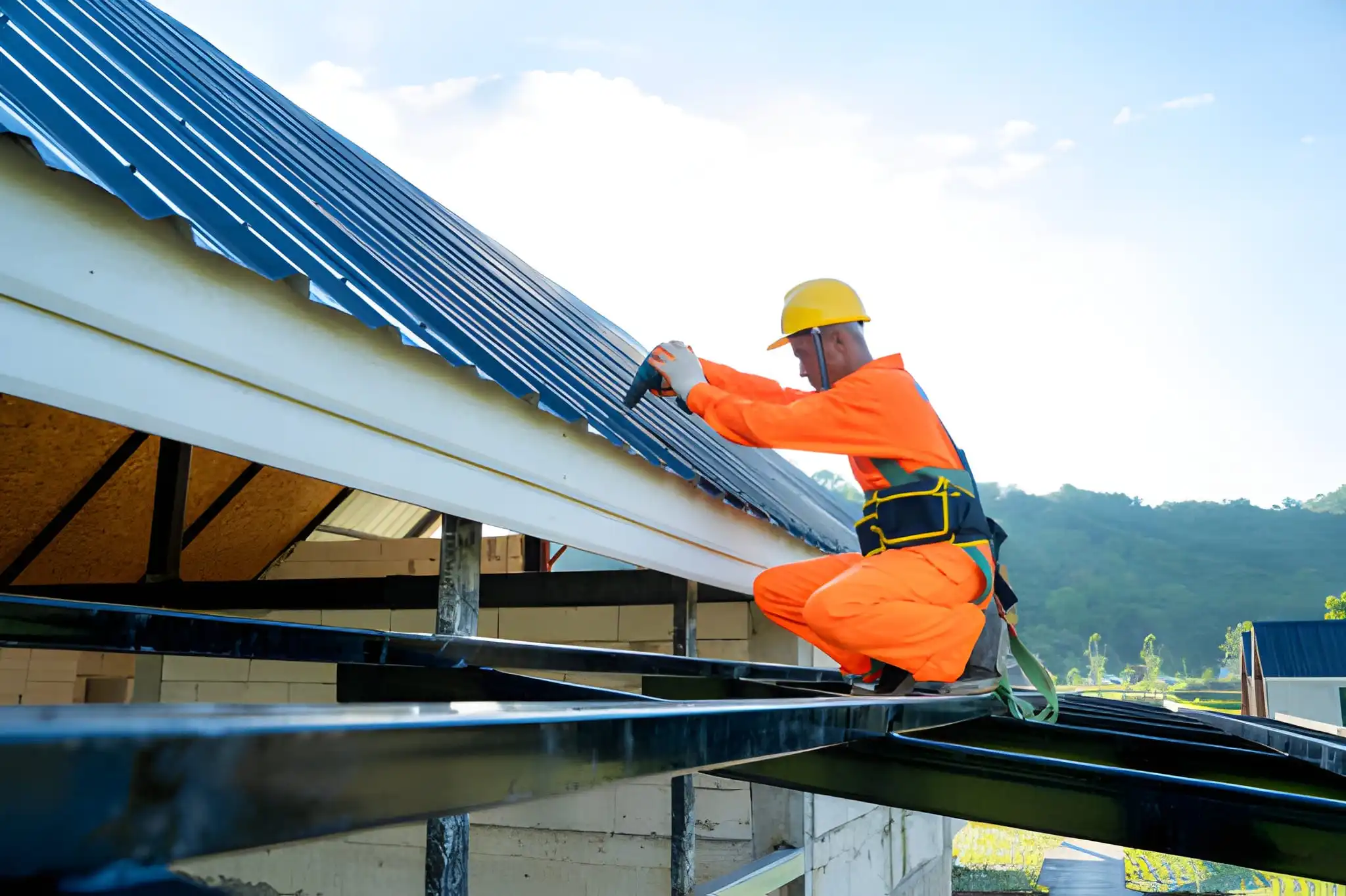
The Professional’s Process: The Contractor’s Standard Operating Procedure
When a qualified commercial roofing contractor arrives, they follow a systematic protocol. This process is designed to minimize risk. It ensures immediate containment and a durable, long-term repair for the asset.
Safety and Site Control are the immediate priority. They set up the safety perimeter. They secure access points. They implement proper fall protection. This single action minimizes liability for the property owner.
Next comes the Scientific Inspection. The contractor uses technology—drone data, thermal imaging—to find the damage invisible to the naked eye. This investigation goes deeper than water spots.
Following inspection, the crew moves to Documentation and Claims Support. The contractor builds the case. They generate a report with photos and thermal images. This report is structured specifically to support the insurance claim. It provides the carrier with the precise, technical proof needed for full coverage approval. They become a technical partner throughout the claim process.
Finally, they execute the Temporary and Permanent Repair Strategy. Active leaks are stopped. Permanent repairs use only manufacturer-approved materials. The new materials integrate perfectly. Full warranty compliance is maintained. This methodical process delivers performance.
Making Insurance Work For Your Asset
Dealing with a commercial insurance claim is often the final hurdle. It is the most frustrating. It demands technical language, accurate documentation, and detailed cost breakdowns. A commercial roofing expert acts as a claims advocate. They speak the same technical language as the insurance adjuster. This is critical.
The key to a successful claim is indisputable documentation. The contractor provides evidence that a storm caused the damage. They prove the scope of work is necessary to restore the roof to its pre-loss value. They justify the cost of specialized labor.
This prevents the adjuster from undervaluing the claim or pushing substandard fixes. A contractor specializing in claims accelerates the payout. The property returns to full operation faster. They ensure every dollar owed is captured. The money goes toward a quality, warrantied repair.
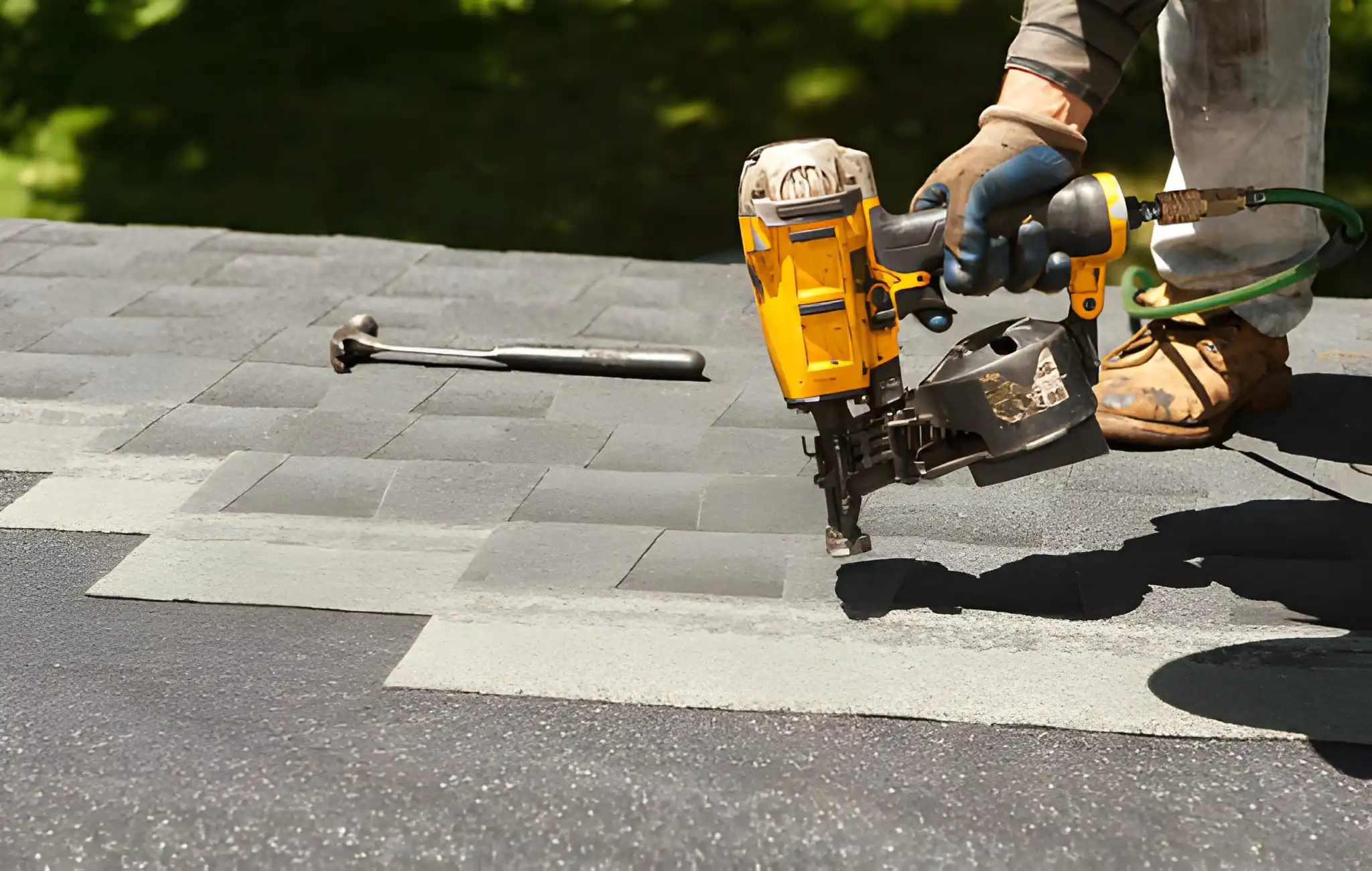
Eliminate Risk, Choose DePalma Roofing & Construction Expertise
When commercial storm damage strikes, there is a clear strategy. Execute safe, preparatory tasks. Document every detail from the ground. But for any repair involving the membrane seal, the structure, or the warranty, the decision is non-negotiable: contact the specialist.
The momentary temptation of a risky DIY fix is never worth the potential cost. It is not worth a voided warranty. It is not worth catastrophic internal property damage. It is not worth long-term structural failure. Choose expertise. Choose certification. Choose the partner dedicated to protecting your commercial asset, like DePalma Roofing & Construction.
Contact us today to request a detailed, no-obligation proposal for a commercial roof inspection and repair.
Leave A Comment