

How to Clean a Shingle Roof: Tips for Removing Algae, Moss, and Stains
Those dark, ugly streaks on shingles represent a biological attack on a home’s primary defense. This growth destroys curb appeal and erodes property value. Left unchecked, these organisms rot shingles from the outside in, leading to massive repair bills that easy maintenance prevents.
Ignoring this growth represents a significant risk to home equity. This article breaks down the high-stakes strategy for identifying these threats and the professional methods used to kill them off. You will discover why high pressure represents a lethal trap for shingles and how the right chemical approach preserves a warranty while restoring a roof.
Identifying Roof Stains: Algae, Moss, and Lichen Detection
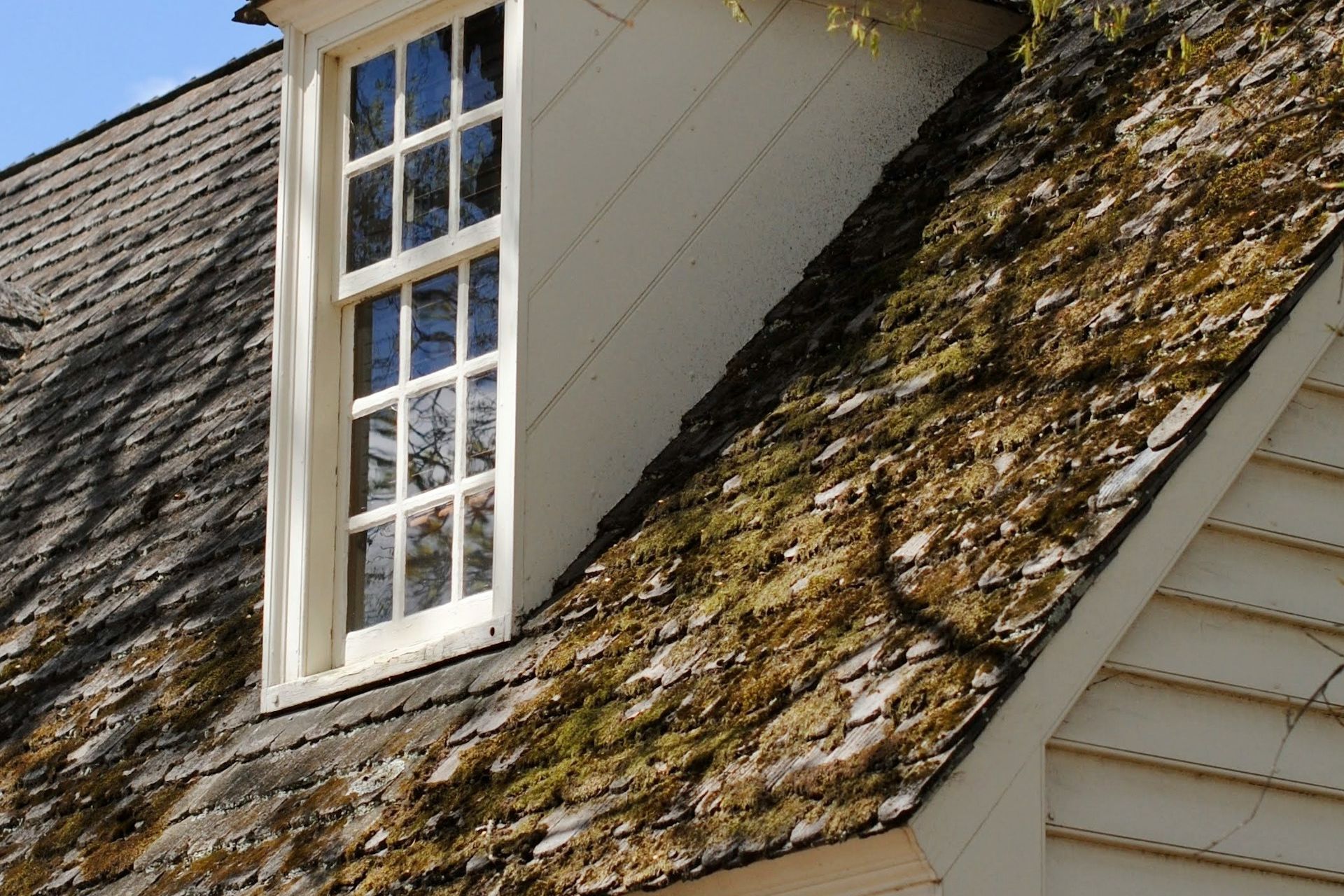
Correctly identifying the type of growth on shingles defines the success of any cleaning strategy. Those long, black streaks usually represent Gloeocapsa Magma, a hardy algae that thrives on moisture and shade. While it starts small, it spreads rapidly across north-facing slopes, creating dark patches that absorb heat and drive up energy costs.
Moss and lichen represent far more aggressive threats to shingle integrity. Moss acts like a sponge, holding water against the roof surface for extended periods. This moisture creates a decay cycle that weakens the asphalt mat.
Lichen forms a symbiotic bond with the shingle granules. Attempting to remove lichen without the proper chemical treatment results in the permanent loss of these protective granules, leaving the roof vulnerable to UV damage.
Why High-Pressure Washing Represents a Trap for Shingles
The biggest error a homeowner can make involves using a high-pressure washer to blast stains away. While force seems like a logical solution, pressure represents the ultimate enemy of an asphalt roof. Shingles feature ceramic-coated granules designed to deflect sunlight and shed water.
A pressure washer acts like industrial sandpaper, stripping these granules away in seconds. This removal might clear the visible stains, but it permanently ages the roof by a decade in a single afternoon.
Stripping these granules exposes the raw asphalt to the sun, causing the materials to curl and crack. Forceful water also enters the laps between shingles, soaking the wooden decking below and creating a hidden mold factory in the attic.
Soft Washing Strategy: The Best Way to Clean Algae and Moss
Professional roof restoration requires a specific method known as soft washing. This process involves treating the roof like a biological condition rather than just a dirty surface. Specialists use a mixture of sodium hypochlorite and specialized surfactants applied at a pressure no higher than a standard garden hose.
The surfactant represents the secret weapon in this strategy. It allows the cleaning solution to cling to steep slopes instead of running off into the gutters.
This gives the chemicals time to penetrate the thick layers of moss and the deep roots of the algae. Within minutes, the black streaks disappear. Thick moss turns white, signaling that the organism died and no longer anchors to the home. This chemical kill-off allows rain and wind to wash away the debris safely over time.

Specialized Solutions for Removing Stubborn Roof Moss
Moss requires a more patient approach than simple algae streaks. Because moss holds so much water, the chemical solution needs a higher concentration to reach the root system. Professionals often apply a heavier coat of the cleaning agent to ensure every spore is neutralized.
Never scrape or brush live moss. This action pulls the granules right off the shingle, causing irreparable damage. Once the soft wash solution kills the moss, the root structure shrivels and loses its grip. Rain eventually carries the dead moss away.
This patient, chemical-first approach ensures the roof remains clean without the mechanical damage caused by scrubbing or scraping.
Tips for Removing Deep Lichen Stains Safely
Lichen represents one of the most difficult organisms to remove from a shingle roof. It grows in circular patches that anchor firmly into the shingle surface. Removing lichen safely requires multiple applications of a soft wash solution.
- Patience over Force: Allows the chemicals to break down the tough outer shell of the lichen over time.
- Repeated Applications: Ensures that stubborn patches receive enough solution to reach the base of the growth.
- Zero Scrubbing Policy: Protects the underlying shingles from being stripped of their protective coatings.
Rushing this process represents a major risk. If the lichen does not turn white or grey after the first treatment, it needs another round. Only after the organism is completely dead will it release its hold on the granules. This methodical approach preserves the life of the shingles while ensuring the stains do not return.
Protecting Landscaping During the Roof Cleaning Process
The chemicals used to save a roof work well on algae but can harm greenery. A professional strategy always includes a rigorous property protection plan. Before chemicals touch the shingles, all surrounding plants must be saturated with fresh water.
This creates a buffer that prevents foliage from absorbing the cleaning solution. A dedicated person should rinse the greenery throughout the entire process.
Experts often use neutralizers to keep soil pH balanced and ensure the garden remains healthy. Diversion represents another key tactic. Attaching extensions to downspouts ensures that chemical runoff moves away from flower beds and into safe drainage areas.
Safety Protocols for Cleaning Steep Shingle Roofs
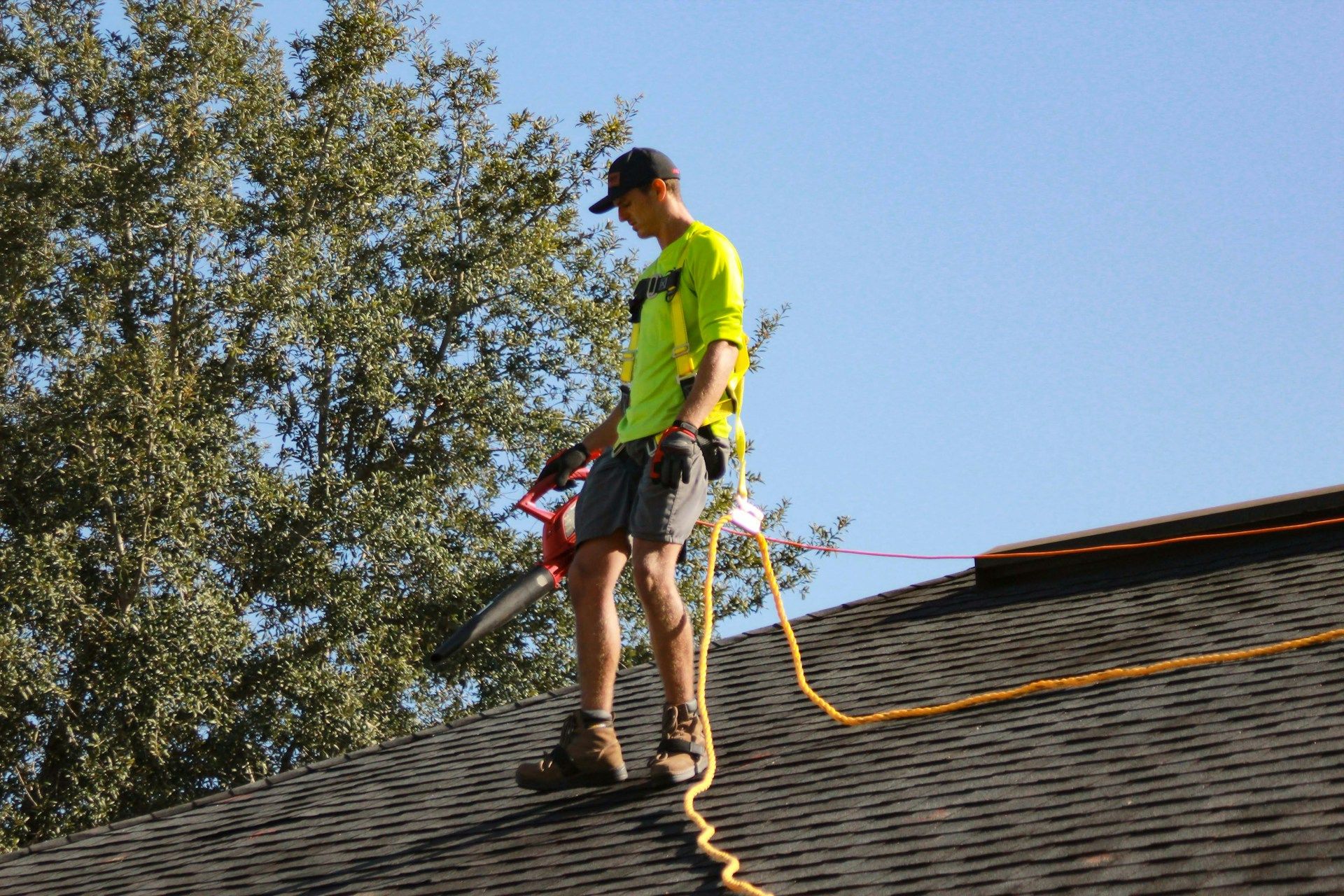
Climbing onto a roof represents a dangerous task. Climbing onto a surface covered in soapy, wet chemicals represents a recipe for a hospital visit. This risk makes roof cleaning a high-liability task that belongs to specialists with the right gear.
- Fall Protection Systems: Includes harnesses and secure anchor points to prevent accidents on steep pitches.
- Specialized Footwear: Provides essential traction on slick, chemical-treated asphalt surfaces.
- Ground Support Teams: Manages chemical runoff and monitors equipment to ensure a controlled environment.
Professionals use specific fall protection gear and anchor points to navigate slopes. They also wear specialized footwear designed for traction on wet, chemical-covered asphalt.
Most homeowners lack the equipment to manage these risks effectively. Beyond physical danger, a risk of property damage exists. The wrong chemical concentration can discolour siding or kill an entire lawn in minutes.
Long-Term Maintenance: How to Keep Algae and Moss from Returning
Once a roof is clean, the goal involves keeping it that way. Algae and moss thrive in shade and moisture. Trimming back overhanging tree branches represents a simple move to increase sunlight and airflow across the roof surface. This allows the shingles to dry faster after rain, making it harder for organisms to take root.
Some homeowners choose to install zinc or copper strips at the roof peaks. When it rains, the water picks up small amounts of these metals and carries them down the shingles.
These metallic ions act as a natural pesticide that prevents algae from growing. Regular inspections also help. Catching a small patch of moss early allows for a spot treatment that prevents a full-blown infestation.
Protect the Shield and Restore Your Home
When stains appear on shingles, the clock begins ticking. This growth represents a biological attack on the home’s primary defense. The strategy remains clear: avoid the pressure trap and choose the chemical expertise of soft washing.
Removing algae, moss, and stains involves more than just curb appeal. This process extends the life of the roof and protects the total home value. Take control of equity before the biological growth consumes the shingles.
Choose the specialized path, DePalma Construction. A clean roof represents a healthy roof, and a healthy roof represents the only way to ensure a property remains protected for decades.
Leave A Comment