

Commercial Roof Repair vs. Replacement: What’s More Cost-Effective?
The most cost-effective approach depends on roof age, material, extent of damage, and business priorities. Repair works best for newer roofs with localized damage, while replacement is usually the smarter long-term investment for older roofs or widespread issues. This guide provides actionable insights, comparison frameworks, and expert considerations to help determine the optimal strategy for every commercial roofing scenario.
What is Commercial Roof Repair and When Should It Be Used?
Commercial roof repair addresses specific issues without replacing the entire structure. Common fixes include patching leaks, replacing shingles or tiles, resealing joints, or repairing damage caused by storms or natural wear.
Common Roof Repair Scenarios
- Leaks and Water Damage – Early signs of trouble often appear as leaks. Addressing leaks promptly prevents interior damage, mold growth, and structural problems.
- Damaged Roofing Materials – Shingles, tiles, or membrane sections may deteriorate over time due to weather, foot traffic, or falling debris.
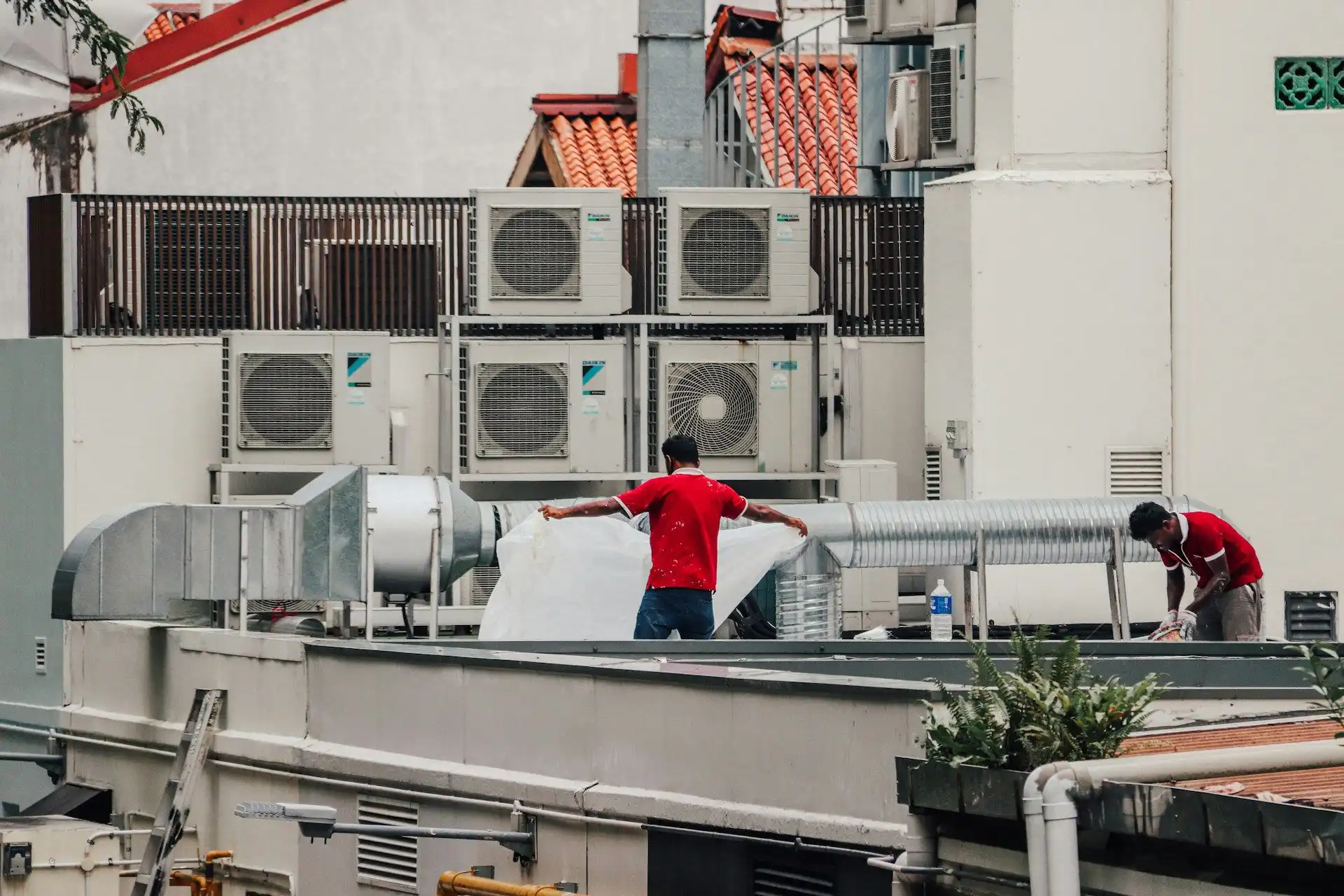
- Poor Sealing or Flashing – Flashing around vents, skylights, or HVAC units can wear down, allowing water to penetrate the roof.
- Minor Structural Issues – Weak spots or sagging areas can sometimes be reinforced or patched without requiring full replacement.
Benefits of Roof Repair
The following benefits highlight why timely and targeted repairs can be a smart choice for business owners:
- Lower Immediate Cost: Repairing affected areas costs significantly less than replacing the entire roof.
- Quick Turnaround: Repairs generally require less time, minimizing disruption to business operations.
- Extended Roof Life: Timely maintenance can prolong the roof’s lifespan, delaying the need for replacement.
Limitations of Roof Repair
While roof repairs can be effective, they also have drawbacks that businesses should consider before deciding. Key limitations include:
- Temporary Fixes: Older or extensively damaged roofs may only gain a short-term solution through repair.
- Ongoing Maintenance Costs: Frequent repairs can accumulate, eventually matching or exceeding replacement costs.
- Potential for Hidden Damage: Underlying structural problems may go unnoticed, reducing the effectiveness of repairs.
What is Commercial Roof Replacement and When is it Necessary?
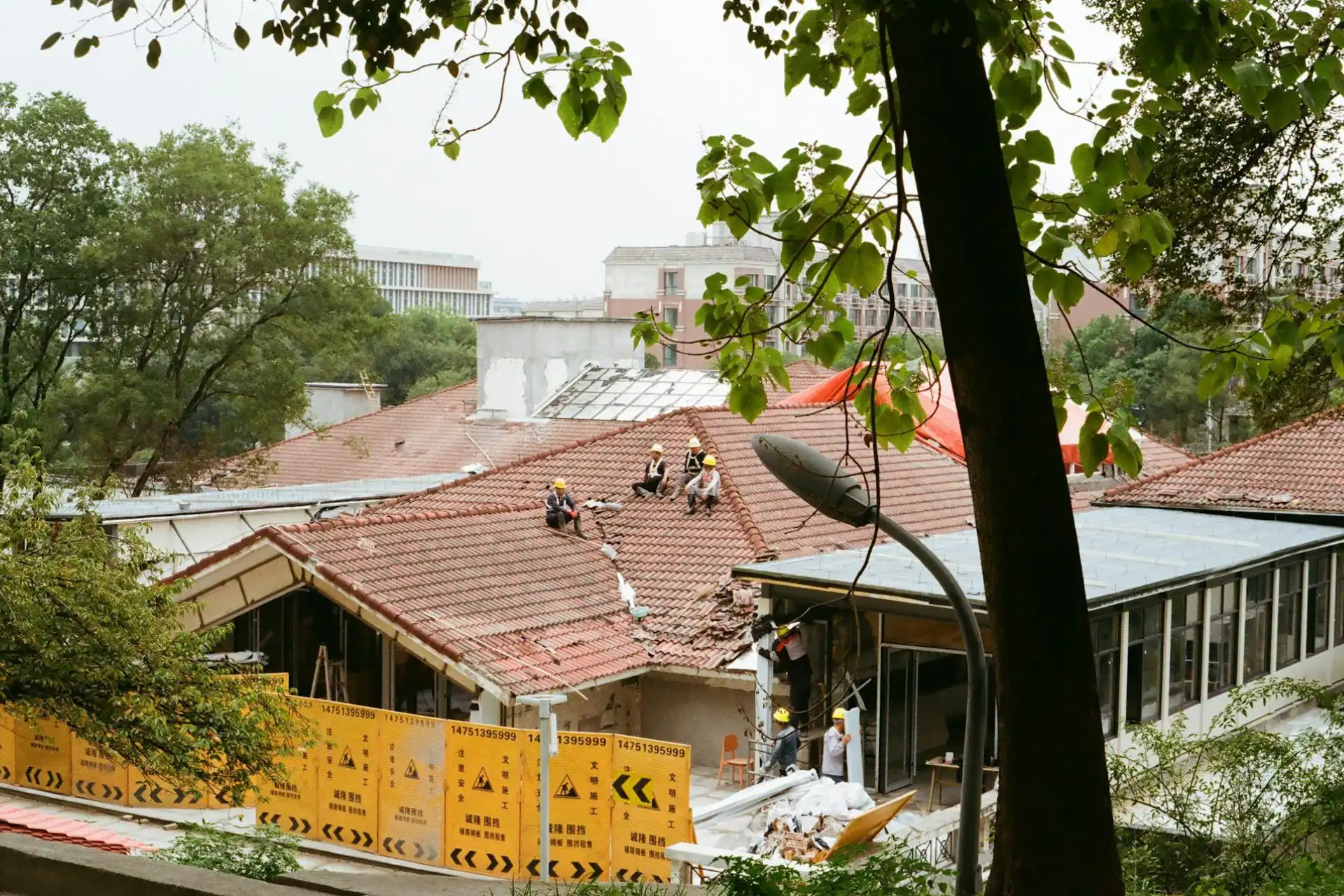
Roof replacement involves removing the existing roof system and installing a new one. This process ranges from partial overlays to complete tear-offs, depending on property needs.
Key indicators for replacement:
Certain situations make roof replacement the more practical and cost-effective choice. Key scenarios include:
- Aging Roofs: Most commercial roofs last 15–25 years. Repairing an aging roof may not be cost-effective.
- Extensive Damage: Damage affecting more than 30% of the roof or compromising structural integrity typically requires replacement.
- Recurring Repairs: Frequent issues signal that the roof is no longer sustainable.
- Upgrading Materials or Efficiency: Replacing the roof improves insulation, energy efficiency, and the use of modern materials, reducing long-term expenses.
Benefits of Roof Replacement
Investing in a roof replacement offers several advantages beyond simply addressing damage. The main benefits include:
- Long-Term Cost Savings: Although the initial expense is higher, a new roof reduces maintenance costs and prevents emergency repairs.
- Enhanced Energy Efficiency: Modern roofing systems improve insulation and reflectivity, lowering heating and cooling expenses.
- Peace of Mind: Replacement removes uncertainty and potential emergencies for many years.
- Improved Property Value: A fully replaced roof increases commercial property value and attracts tenants or buyers.
Limitations of Roof Replacement
Roof replacement offers long-term benefits, but it also comes with certain challenges that businesses should consider. The main limitations include:
- Higher Initial Cost: Replacement costs more upfront than repairs.
- Business Disruption: Installation may require temporary relocation of equipment or modifications to operations.
- Complex Installation: Tear-off and replacement require professional expertise and careful planning.
Cost Comparison: Repair vs. Replacement
Cost differences play a major role in decision-making. Prices vary by location, roof size, material, and labor, but general estimates provide guidance.
| Option | Average Cost per Square Foot | Typical Lifespan Extension | Pros | Cons |
| Repair | $3 – $7 | 1–5 years | Low initial cost, quick fix, minimal disruption | Short-term solution, ongoing maintenance, potential hidden damage |
| Replacement | $7 – $15+ | 15–25 years | Long-term investment, energy efficiency, fewer emergencies | High upfront cost, longer installation time, and business disruption |
Key Insight: Newer roofs with localized damage benefit from repair. Aging roofs or those with widespread issues often see better long-term value through replacement.
Factors Influencing the Decision
Several factors determine whether repair or replacement is best for a commercial property:
- Roof Age
- Under 10 years old: Repairs are usually sufficient unless severe damage is present.
- 10–20 years: Evaluating repair versus replacement depends on material condition and extent of wear.
- 20+ years: Replacement generally avoids repeated costs and reduces the risk of structural failure.
Maintenance History: According to the National Roofing Contractors Association (NRCA), managed roof maintenance can extend a commercial roof’s life to 20–35 years, compared with 10–14 years for unmaintained systems.
-
Roof Material
Different roofing materials have varying lifespans and repair requirements:
- EPDM Rubber: 20–30 years; patching is straightforward.
- TPO/PVC Membrane: 15–25 years; repairs extend life, but replacement can improve efficiency.
- Metal Roofs: 30–50 years; repairs are feasible, though rust or corrosion may require eventual replacement.
- Built-Up Roof (BUR): 15–20 years; prone to leaks, making replacement cost-effective when damage is extensive.
-
Extent of Damage
Localized damage of less than 30% often warrants repair. Widespread or structural damage typically calls for replacement.
-
Maintenance History
Regular inspections and maintenance prolong roof life. Neglected roofs face earlier and costlier replacements.
-
Business Priorities
Immediate budget constraints may necessitate repair. Long-term investment goals, such as reducing emergencies or improving property value, favor replacement.
Making the Right Decision
Step 1: Schedule a Professional Roof Inspection
Qualified roofing contractors assess roof condition, detect hidden damage, and provide repair versus replacement estimates.
Step 2: Evaluate Costs and Lifespan
Compare repair costs with replacement costs spread over the expected lifespan of a new roof. Simple calculations often reveal the more economical choice.
Example:
- Repair: $8,000 for 3 years → $2,667 per year
- Replacement: $25,000 for 20 years → $1,250 per year
In this scenario, replacement is more cost-effective in the long term.
Step 3: Consider Operational Impact
Assess how downtime or disruptions affect business operations. Repairs are faster, but replacement provides long-term stability.
Step 4: Factor in Energy Efficiency and Sustainability
Modern roofing materials reduce energy costs, may qualify for tax incentives, and contribute to sustainability goals. Replacement can deliver both financial and environmental benefits.
Tips to Optimize Costs
- Schedule Regular Inspections: Early detection prevents costly damage.
- Prioritize Preventive Maintenance: Clean gutters, seal flashing, and remove debris.
- Bundle Repairs with Replacement Planning: Coordinating maintenance reduces labor costs.
- Get Multiple Quotes: Compare contractors and materials for both repair and replacement.
- Invest in Quality Materials: Cheaper materials may save money initially, but increase long-term expenses.
Making the Right Roofing Decision
Careful evaluation of roof condition, damage extent, and business priorities ensures the best approach. Targeted repairs can extend the life of newer roofs, while full replacement provides long-term stability, energy efficiency, and reduced maintenance for older or heavily damaged roofs.
Need expert guidance? Contact DePalma Roofing and Construction today to schedule an inspection or consultation.
Leave A Comment