

How Long Do Asphalt Shingle Roofs Last? Plus 5 Tips to Extend Their Life
A common question homeowners ask is: How long do asphalt shingle roofs last? In most cases, asphalt shingle roofs last between 15 and 30 years, depending on the type of shingles installed, the quality of installation, climate conditions, and how well the roof is maintained.
Asphalt shingles remain one of the most widely used roofing materials because they offer an excellent balance of affordability, durability, and visual appeal. However, like any roofing system, its lifespan is influenced by several factors, including ventilation, weather exposure, installation quality, and routine maintenance.
Understanding how long asphalt shingles typically last, and what homeowners can do to extend their lifespan, helps prevent unexpected repairs and protects a home’s long-term value.
This guide explains the average lifespan of asphalt shingle roofs and shares five practical tips to help extend their life.
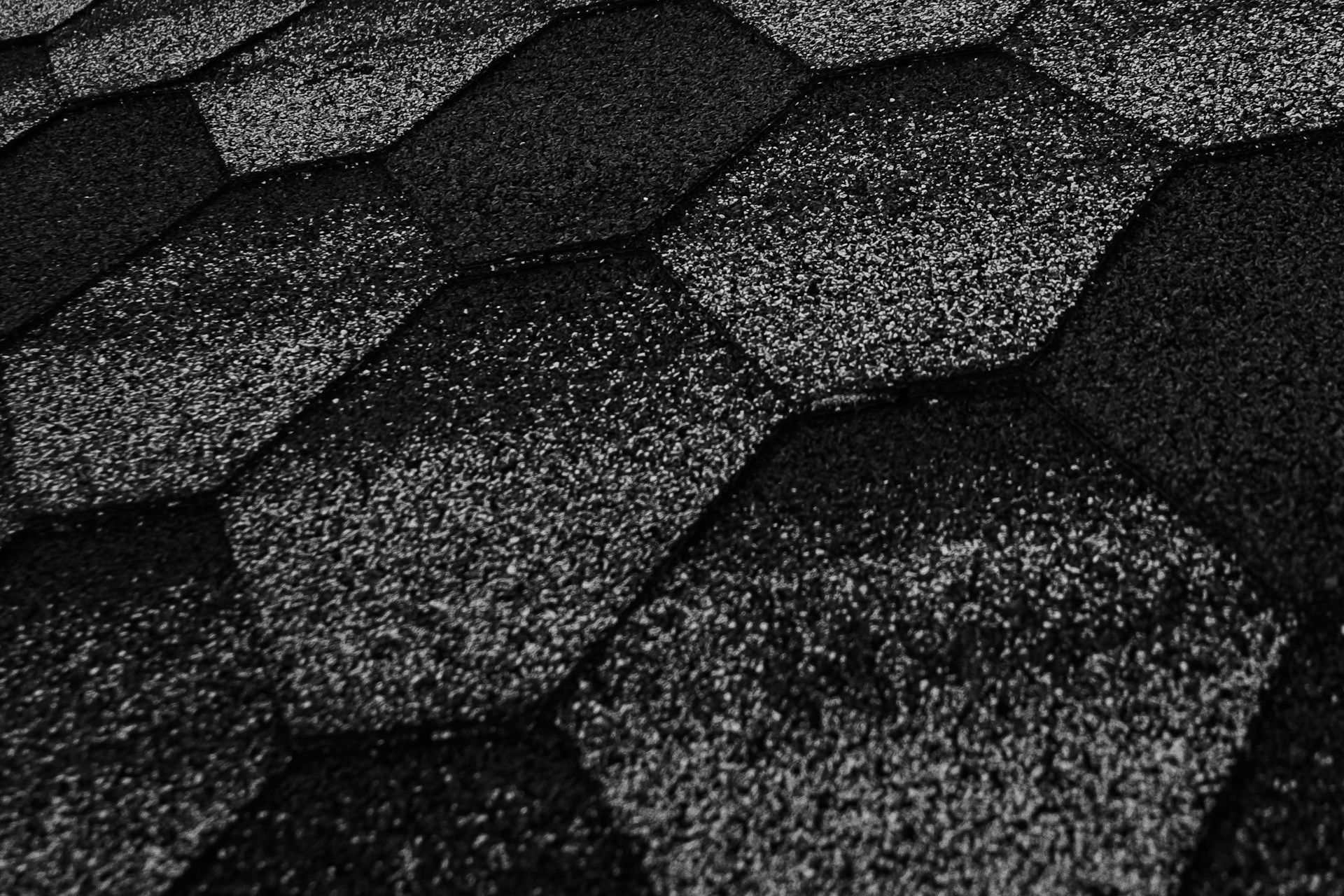
The Average Lifespan of Asphalt Shingle Roofs
Most asphalt shingle roofs last between 15 and 30 years. However, the exact lifespan depends largely on the type of shingles installed.
1. Three-Tab Asphalt Shingles
Three-tab shingles are the most basic and affordable asphalt shingles. They have a flat appearance and are typically designed to last 15 to 20 years under normal conditions.
Although they are budget-friendly, they are thinner and more prone to weather damage than higher-end options.
2. Architectural (Dimensional) Shingles
Architectural shingles are thicker and layered, creating a more dimensional appearance. They are also stronger and more resistant to wind and weather.
Most architectural shingles last 20 to 30 years, making them a popular option for homeowners seeking a balance between cost and durability.
3. Premium or Luxury Asphalt Shingles
Premium shingles are designed to mimic high-end roofing materials such as slate or cedar shake. They offer enhanced durability and aesthetics.
With proper installation and maintenance, luxury shingles can last 30 years or more.
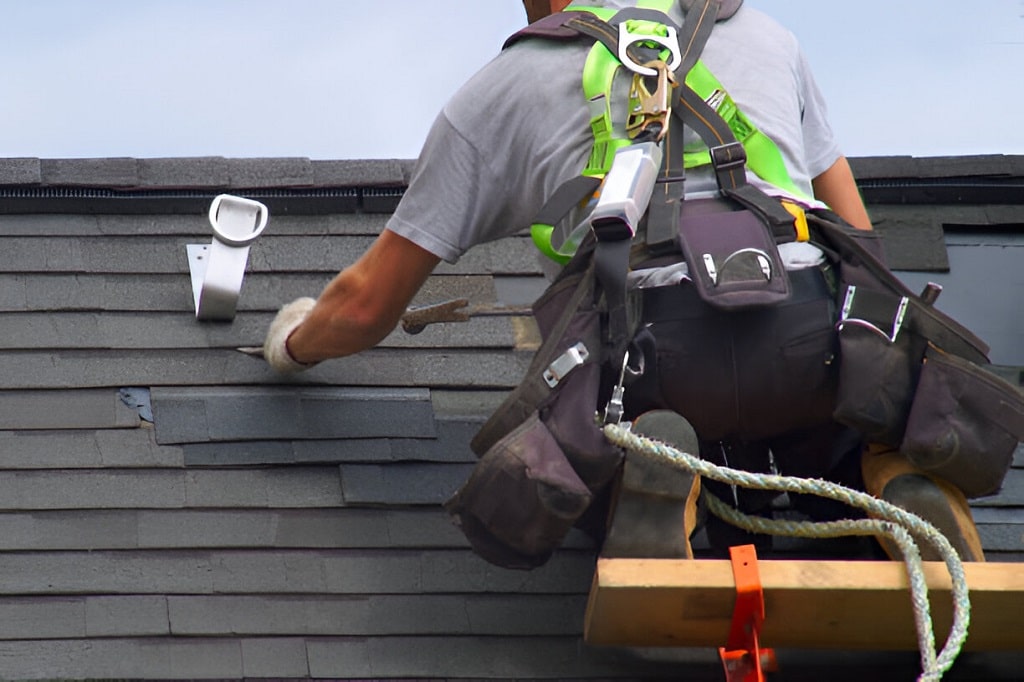
Factors That Affect Asphalt Shingle Lifespan
Even the highest-quality shingles may fail early if certain conditions are not ideal. Several factors influence how long an asphalt roof will last.
Climate and Weather Exposure
The weather is one of the biggest influences on roof longevity. Regions with intense sunlight, heavy rain, snow, hail, or strong winds may see faster wear and tear on shingles.
Constant exposure to UV rays can dry out shingles, causing them to crack and lose protective granules over time.
Roof Ventilation
Proper attic ventilation helps regulate temperature and moisture levels. Without adequate airflow, heat can build up under the roof, accelerating shingle deterioration.
Poor ventilation may also lead to moisture accumulation, which can damage both the shingles and the roof structure.
Installation Quality
Even high-quality shingles will fail prematurely if they are poorly installed. Proper installation ensures that shingles are securely fastened, correctly aligned, and adequately sealed against the elements.
Professional installation is one of the most important factors in maximizing roof lifespan.
Roof Slope and Design
Steeper roofs generally shed water more effectively than low-slope roofs. When water drains properly, shingles experience less prolonged exposure to moisture.
Complex roof designs with valleys and dormers may also require additional maintenance.
Maintenance Practices
Regular maintenance can significantly extend the life of asphalt shingles. Small issues, such as missing shingles or clogged gutters, can quickly escalate into larger problems if left unaddressed.
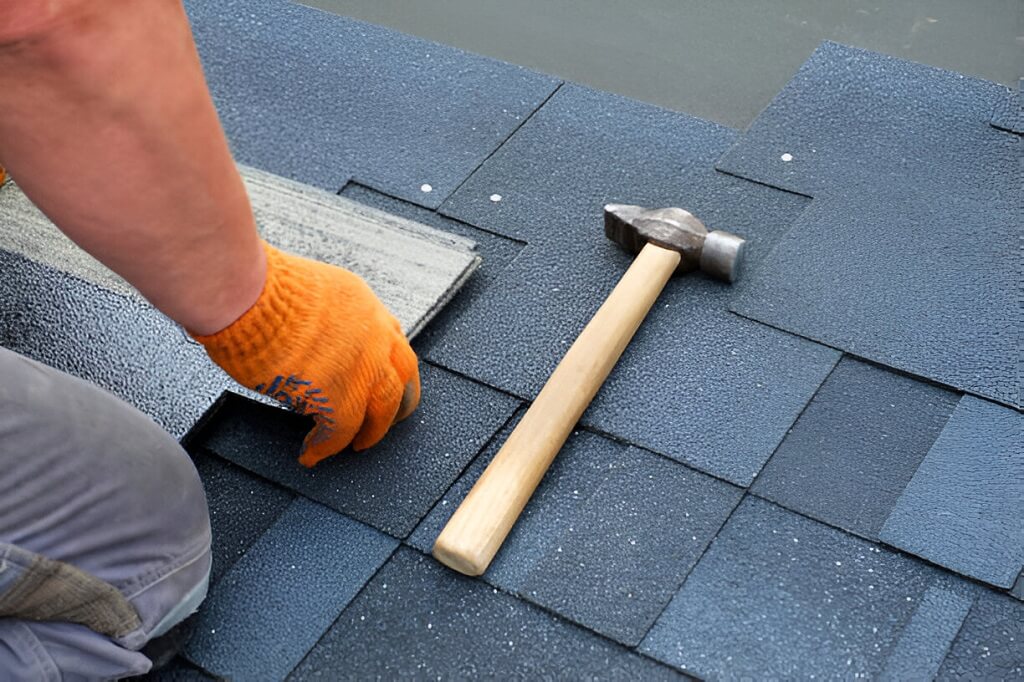
5 Tips to Extend the Life of an Asphalt Shingle Roof
While no roof lasts forever, homeowners can take several steps to maximize the life of their asphalt shingles.
1. Schedule Regular Roof Inspections
Routine inspections are one of the most effective ways to protect a roof.
Experts recommend inspecting asphalt roofs at least once or twice per year, and after severe storms. Inspections help identify early signs of damage, including:
- Curling or cracked shingles
- Missing shingles
- Granule loss
- Water stains in the attic
- Loose flashing
Addressing small problems early prevents them from escalating into expensive repairs.
2. Keep Gutters Clean and Functional
Clogged gutters can cause water to back up onto the roof. Over time, standing water may seep beneath shingles, leading to leaks or structural damage.
Homeowners should clean gutters regularly, especially during the fall when leaves accumulate quickly.
Proper drainage protects both the roofing system and the home’s foundation.
3. Trim Overhanging Tree Branches
Trees provide shade and aesthetic value, but branches that hang directly over a roof can create problems.
Falling branches may damage shingles during storms. Leaves and debris can also trap moisture, which accelerates roof deterioration and encourages moss growth.
Keeping branches trimmed helps reduce these risks.
4. Ensure Proper Attic Ventilation
A well-ventilated attic helps maintain consistent temperature and moisture levels.
Without proper ventilation, trapped heat can cause shingles to age prematurely. Excess moisture may also lead to mold growth and wood rot.
Professional roofing contractors often recommend a combination of ridge vents, soffit vents, and attic fans to promote balanced airflow.
5. Remove Moss and Algae Growth
Moss and algae are common roofing issues in humid climates. Although they may appear harmless, moss traps moisture against the roof surface.
Over time, this moisture can weaken shingles, causing them to lift or crack.
Homeowners can prevent moss buildup by:
- Installing algae-resistant shingles
- Keeping the roof free of debris
- Using gentle roof-cleaning solutions when necessary
Avoid pressure washing, as it may damage the protective granules on asphalt shingles.
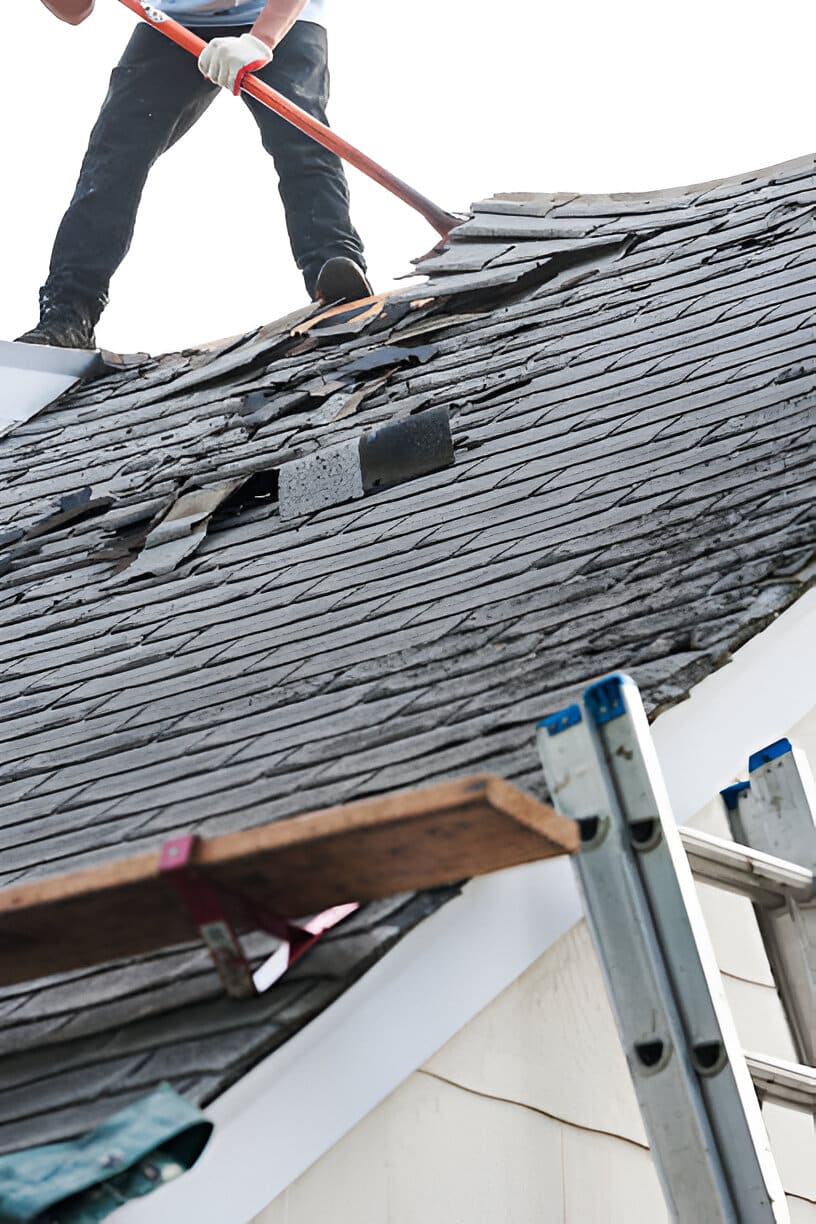
Signs an Asphalt Roof May Need Replacement
Even with proper maintenance, every roof eventually reaches the end of its lifespan. Recognizing the warning signs of roof failure can help homeowners act before serious damage occurs.
Common signs include:
- Shingles curling or buckling
- Large patches of missing granules
- Frequent leaks or water stains
- Sagging roof sections
- Shingles are missing after storms.
If a roof is approaching 20 to 25 years old and showing multiple signs of deterioration, replacement may be the most cost-effective solution.
Repair vs. Replacement: What Homeowners Should Know
Not every roofing issue requires a full replacement. Minor damage, such as a few missing shingles, can often be repaired quickly.
However, if damage is widespread or the roof is nearing the end of its life expectancy, replacing the roof may offer better long-term value.
A professional inspection can help determine whether repair or replacement is the most practical option.
Why Professional Installation Matters
Many homeowners focus on the cost of shingles themselves, but installation quality often determines how long a roof truly lasts.
Experienced roofing professionals understand proper underlayment placement, flashing installation, ventilation requirements, and weatherproofing techniques.
High-quality installation not only protects the home but also ensures manufacturer warranties remain valid.
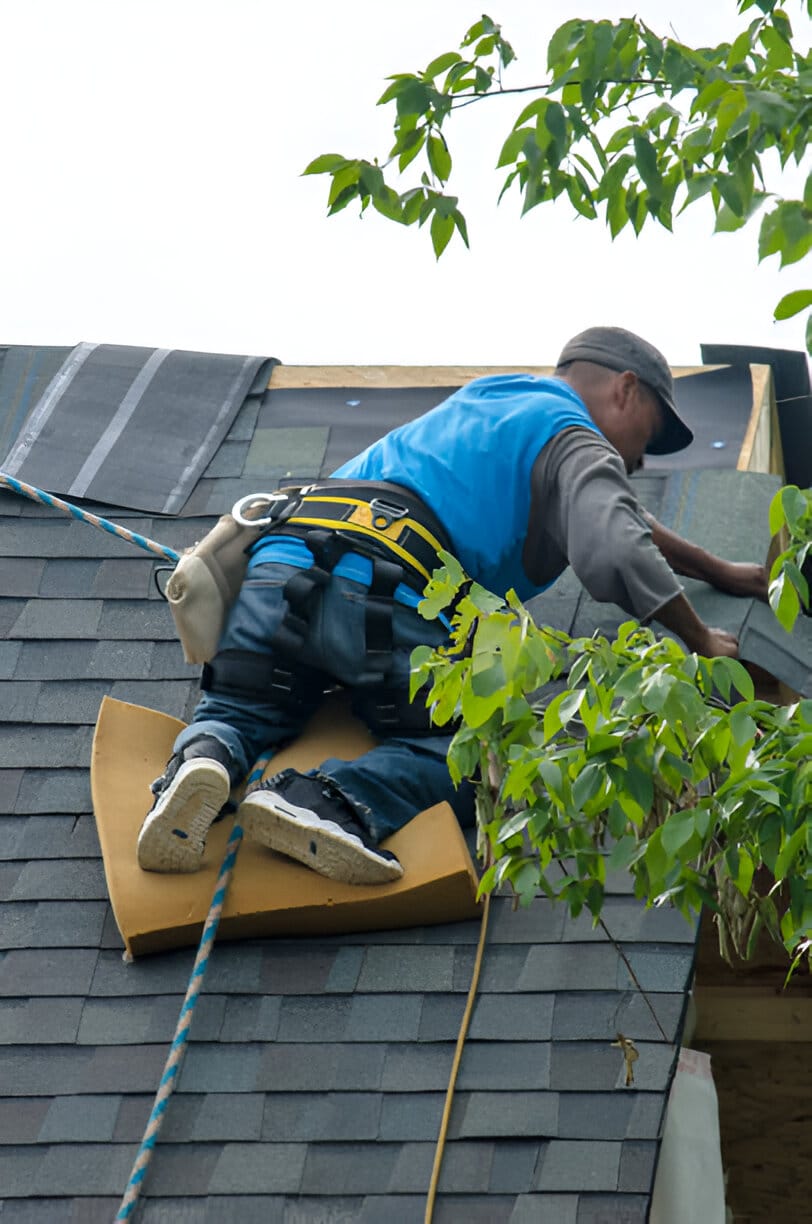
Protect Your Roof Before Small Problems Turn Into Costly Repairs
An asphalt shingle roof can last decades, but regular inspections and proper maintenance make all the difference. If you’re unsure about the condition of your roof, a professional assessment can help identify small issues before they become major repairs.
At DePalma Roofing & Construction, our experienced team provides thorough roof inspections, honest recommendations, and dependable roofing solutions designed to extend the life of your roof.
Contact DePalma Roofing & Construction today to schedule your roof inspection and keep your home protected for years to come.
Leave A Comment