

Your roof does more than top off your home—it protects everything you own. Yet when damage happens, many homeowners discover that roof repair coverage isn’t as straightforward as they assumed. Claims get denied, payouts fall short, and confusion builds around what is and isn’t covered.
Clarity matters before damage occurs—not after.
This guide breaks down when home insurance covers roof repairs, when it doesn’t, and how to position yourself for a successful claim.
Does Home Insurance Cover Roof Repairs?
Home insurance typically covers roof repairs, but only under specific conditions. Coverage depends on what caused the damage, your roof’s condition, and your policy details.
In simple terms:
- Covered: Sudden, accidental damage
- Not covered: Wear and tear, neglect, or preventable issues
Understanding that distinction is the key to avoiding surprises.
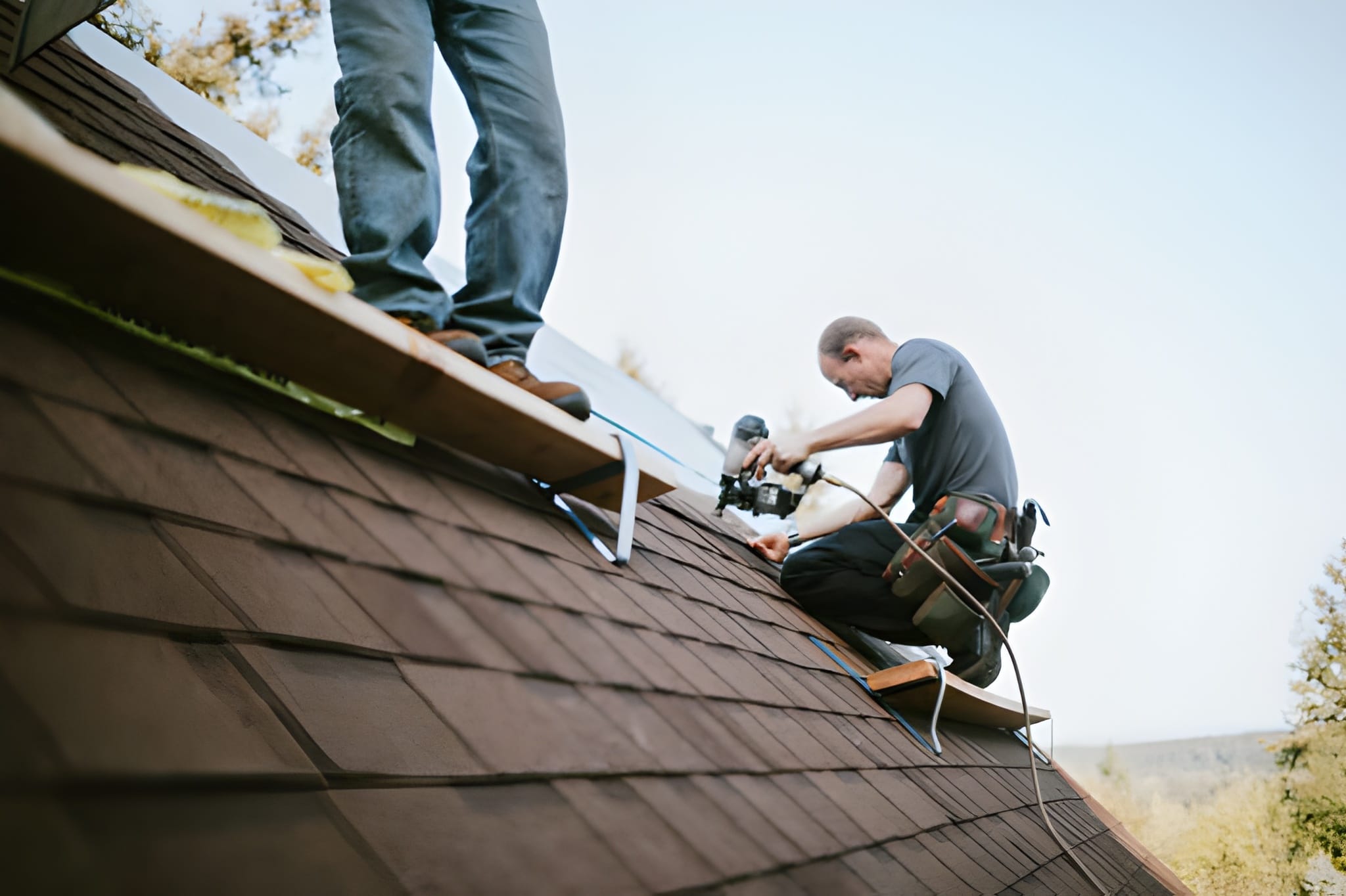
When Home Insurance Covers Roof Repairs
Insurance policies are designed to protect against unexpected events. If your roof is damaged by something sudden and outside your control, you’re more likely to be covered.
1. Storm Damage
Severe weather is one of the most common covered causes.
Your policy will usually pay for repairs if your roof is damaged by:
- Heavy rain
- Windstorms
- Hail
- Lightning
Example: A strong storm tears off shingles or causes a tree branch to crash onto your roof. That’s typically covered.
2. Falling Objects
Damage caused by objects falling onto your roof is generally included.
This includes:
- Trees or large branches
- Debris during storms
- External impacts (like construction accidents nearby)
Example: A tree in your yard falls during a storm and punctures your roof. Insurance usually steps in.
3. Fire Damage
Fire-related damage is almost always covered under standard home insurance policies.
This includes:
- House fires
- Wildfires
- Electrical fires spreading to the roof
Example: A kitchen fire spreads upward and damages your roof structure. Repairs are typically covered.
4. Vandalism
Intentional damage by others may also be covered.
Example: Someone damages your roof tiles or creates openings deliberately. Your policy may cover repairs.
5. Sudden Accidental Damage
Some policies include coverage for unexpected accidents.
Example: A contractor accidentally damages your roof while working. Depending on the situation, your insurance or their liability coverage may apply.
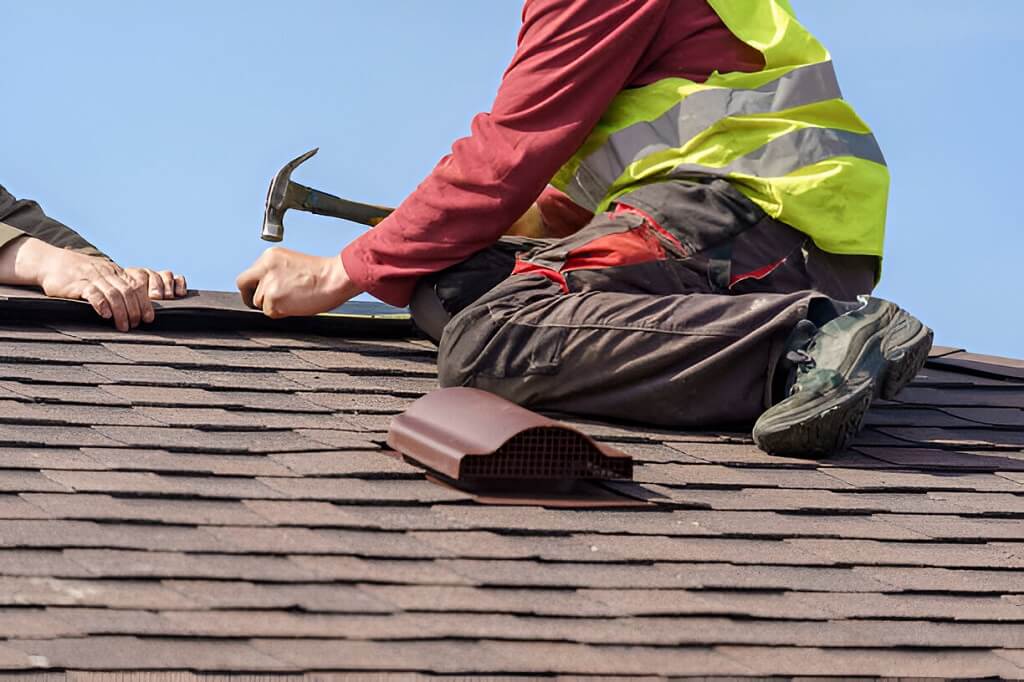
When Home Insurance Does NOT Cover Roof Repairs
This is where most claim denials happen. Insurance companies expect homeowners to maintain their roofs properly.
If damage could have been prevented, coverage is unlikely.
1. Wear and Tear
Roofs naturally degrade over time. Insurance does not cover aging.
Common examples:
- Faded or brittle shingles
- Gradual leaks
- Material deterioration
Example: A 20-year-old roof starts leaking due to age. That repair is your responsibility.
2. Lack of Maintenance
Neglect is a major red flag for insurers.
Uncovered issues include:
- Ignoring small leaks
- Failing to replace damaged shingles
- Letting debris accumulate
Example: A small leak turns into structural damage because it wasn’t fixed early. Insurance may deny the claim.
3. Poor Installation or Workmanship
If your roof was installed incorrectly, insurance won’t pay for the consequences.
Example: Improper sealing leads to water damage. That falls on the contractor, not your insurer.
4. Pest Damage
Damage caused by animals or insects is usually excluded.
Examples:
- Termites weakening roof structures
- Rodents chewing through materials
5. Gradual Damage
Insurance focuses on sudden events—not slow deterioration.
Example: Moisture slowly seeps into your roof over months. That’s considered preventable and not covered.
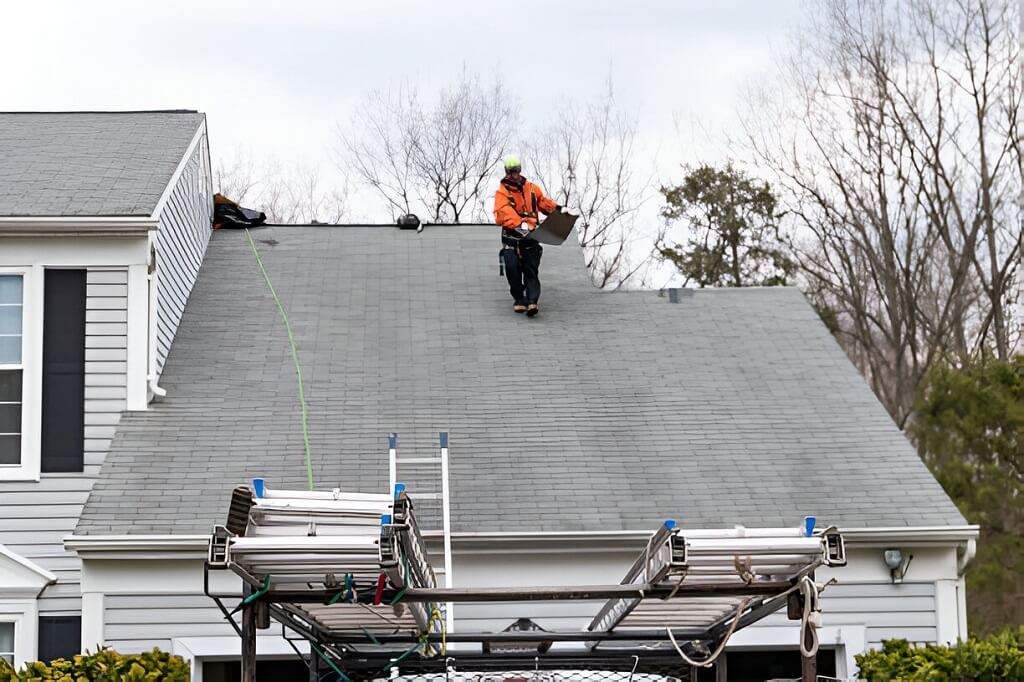
Actual Cash Value vs. Replacement Cost: Why It Matters
Your payout depends heavily on how your policy values your roof.
Actual Cash Value (ACV)
- Pays for the depreciated value of your roof
- Older roofs = smaller payouts
Example: A roof worth $10,000 new might only be valued at $3,000 after depreciation.
Replacement Cost Value (RCV)
- Covers the full cost of replacing your roof (minus deductible)
- Higher premiums, better protection
Example: Insurance pays what it costs to install a new roof of similar quality.
Roof Age and Insurance Coverage
Roof age significantly affects claims:
| Roof Age | Coverage Likelihood |
| 0–10 years | High; full replacement likely |
| 10–20 years | Moderate; partial coverage or depreciated payout |
| 20+ years | Low; many insurers limit or deny claims |
Some insurers:
- Require inspections
- Reduce coverage after a certain age
- Exclude older roofs altogether
How to File a Roof Repair Claim (Step-by-Step)
Taking the right steps can make the difference between approval and denial.
1. Inspect the Damage Immediately
Document everything:
- Photos and videos
- Visible damage
- Interior leaks
2. Prevent Further Damage
Insurance expects you to minimize additional harm.
Example:
- Cover exposed areas with a tarp
- Stop active leaks
3. Contact Your Insurance Company
Report the claim as soon as possible. Delays can hurt your chances.
4. Schedule an Inspection
An adjuster will assess:
- Cause of damage
- Extent of repairs needed
- Policy coverage
5. Get Repair Estimates
Independent contractor quotes can support your claim and ensure fair compensation.
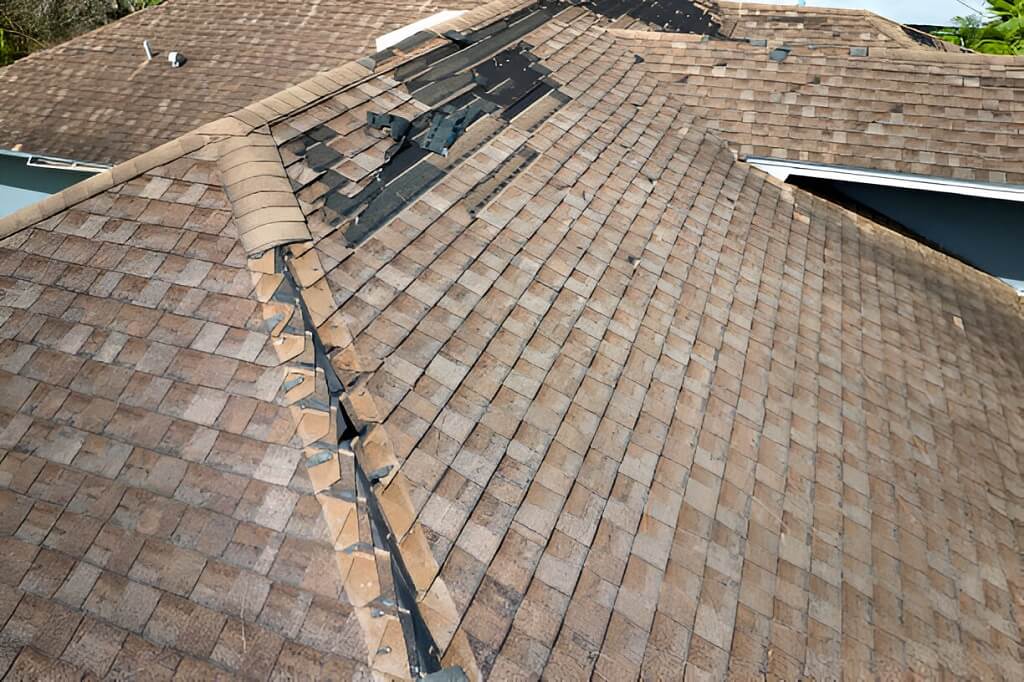
Tips to Increase Your Chances of Coverage
Smart homeowners think ahead.
Keep Maintenance Records
Document:
- Repairs
- Inspections
- Cleaning schedules
This proves your roof was well-maintained.
Schedule Regular Inspections
Annual or biannual inspections can:
- Catch small issues early
- Strengthen your claim if damage occurs
Upgrade When Necessary
Replacing an aging roof before failure:
- Improves coverage eligibility
- Reduces claim risk
Review Your Policy Carefully
Look for:
- Coverage limits
- Exclusions
- Deductibles
- Roof-specific clauses
Common Mistakes Homeowners Make
Avoid these pitfalls:
- Waiting too long to file a claim
- Assuming all damage is covered
- Skipping routine maintenance
- Choosing the cheapest policy without understanding coverage
- Failing to document damage properly
Each of these can lead to reduced payouts—or outright denial.
Is Filing a Claim Always Worth It?
Not always.
Consider:
- Your deductible
- Repair cost vs. claim impact
- Potential premium increases
Example: If repairs cost $800 and your deductible is $1,000, filing a claim doesn’t make sense.
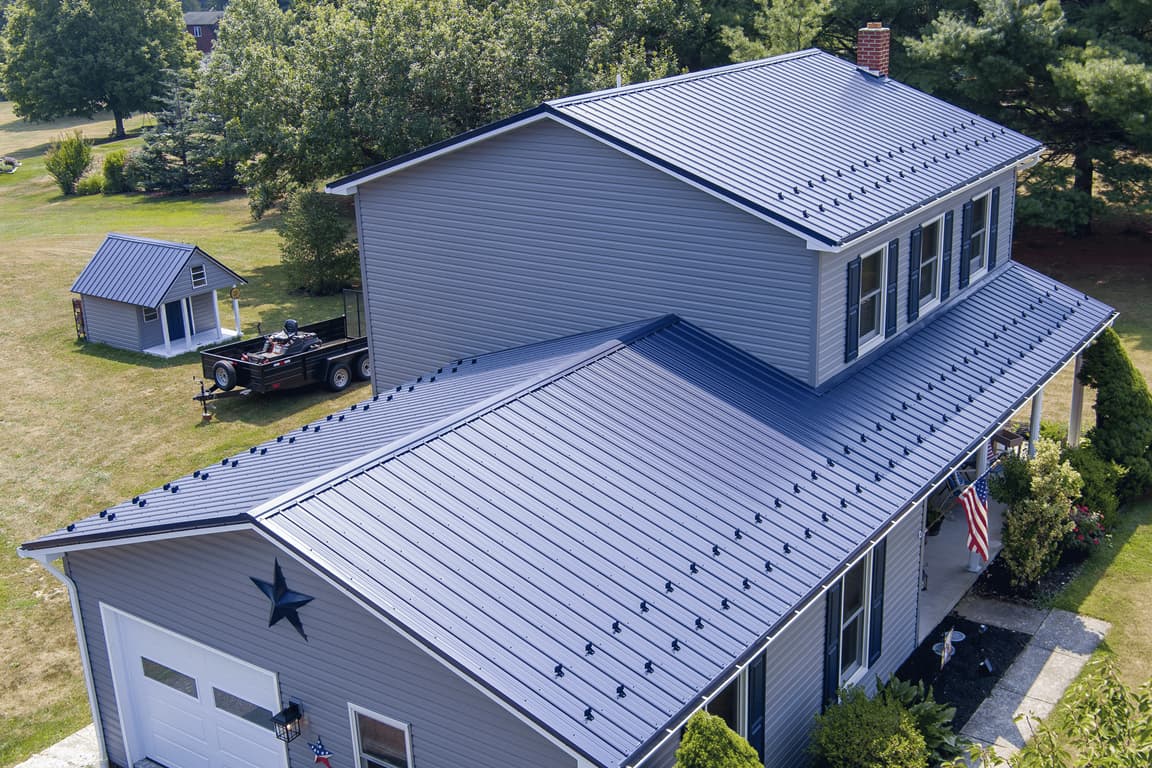
Protect Your Roof Before Problems Start
Not sure if your roof is fully covered? DePalma Roofing and Construction can help you find out. Schedule a professional roof inspection, review your insurance coverage, and fix minor issues before they turn into costly repairs.
Contact us today to protect your home, prevent expensive damage, and make sure your roof is ready for anything.
Leave A Comment