

What Are the Different Types of Siding for Weather Protection and Style?
Investing in your home’s exterior means selecting materials that do more than just look good. Siding plays a dual role: it acts as your property’s primary defense against harsh weather while also making a strong statement about its style.
The right choice protects your home’s structure, influences its energy efficiency, and defines its curb appeal. With many options available, understanding each type’s benefits and drawbacks helps property owners make a sound decision for their residence.
This article explores various siding materials. It covers how each option contributes to keeping your home safe from the elements and how it adds to your property’s visual charm.
You will learn about vinyl, fiber cement, wood, brick, and metal siding, including their durability, maintenance needs, and aesthetic possibilities.
Vinyl Siding: Adaptability and Low Upkeep
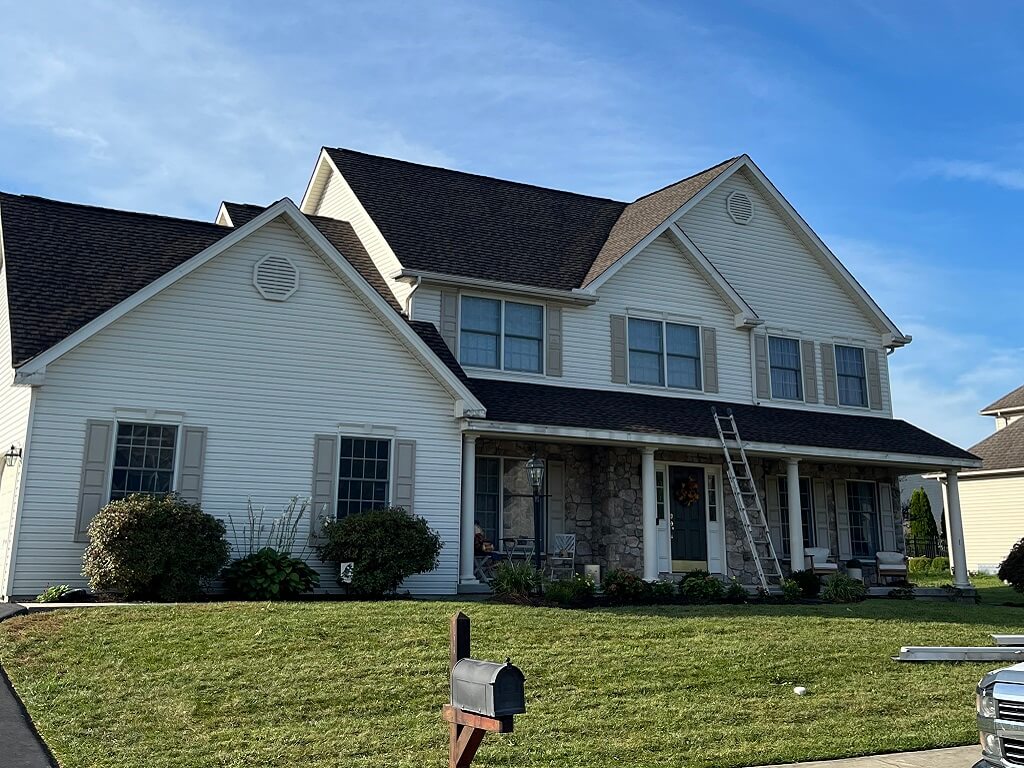
Vinyl siding is a popular option for many homeowners. Its widespread use comes from its adaptability, ease of care, and range of colors and styles. Made from polyvinyl chloride PVC, this material offers solid weather protection without constant attention.
Property owners often choose vinyl for its moisture resistance, which helps prevent rot and mildew. Its construction means it will not peel or chip, cutting down on the need for regular painting. This makes it a cost-effective choice over its lifespan, providing good value without demanding much time for upkeep.
Vinyl also offers design flexibility. It comes in many colors, textures, and profiles, mimicking the look of traditional wood siding.
This variety allows homeowners to achieve a specific appearance, from classic to modern, fitting different architectural styles.
Fiber Cement Siding: Durability with a Refined Look
Fiber cement siding offers a mix of lasting strength and appealing design. This material combines cement, sand, and cellulose fibers, creating a product known for its resilience.
It stands up well against various weather conditions, fire, and pests, making it a robust choice for exterior cladding.
Homeowners appreciate fiber cement for its ability to mimic other materials. It can closely resemble wood siding, stucco, or masonry, complete with texture and grain patterns.
Beyond its looks, fiber cement siding offers real protection. It resists rot, insects, and flame, providing a strong barrier for a home. Its sturdy nature means it can withstand harsh winds and hail.
While its initial cost and installation may be higher than vinyl, its long lifespan and low maintenance often make it a wise investment.
Wood Siding: Natural Beauty and Classic Appeal
Wood siding offers a classic look that many homeowners desire. Its natural beauty and warmth bring a distinct character to any home. Common types include cedar, redwood, pine, and spruce, each offering different grain patterns and color tones.
The appeal of wood siding lies in its authentic appearance. It provides a natural texture and can be stained or painted to achieve various finishes, allowing for a custom look.
This adaptability makes it suitable for many architectural styles, from rustic cabins to modern homes.
However, wood siding requires more attention than other materials. It needs regular maintenance, such as painting or staining, to protect it from moisture, insects, and UV damage. Without proper care, it can warp, crack, or rot.
Despite the upkeep, many homeowners choose wood for its timeless charm and its ability to age with proper treatment.
Brick Siding: Enduring Strength and Timeless Charm
Brick siding stands as a testament to lasting strength and classic appeal. Made from fired clay, bricks offer a durable exterior that resists fire, rot, and pests.
Its natural thermal mass also contributes to a home’s energy efficiency, helping to maintain stable indoor temperatures.
The visual appeal of brick comes from its variety in color, texture, and pattern. Bricks can be laid in different bonds to create unique designs, adding character and depth to a home’s façade.
Maintenance for brick siding is minimal. It requires only occasional cleaning to remove dirt or mildew. While the initial investment for brick siding can be higher than other options, its long lifespan and low upkeep make it a smart long-term choice.
Metal Siding: Modern Durability and Industrial Style
Metal siding offers a contemporary look with strong durability, making it an option for homeowners seeking a modern or industrial style. Common types include steel, aluminum, and copper, each providing different strengths and aesthetic qualities.
Homeowners choose metal siding for its resistance to fire, pests, and rot. It stands up well against severe weather conditions, including high winds and hail. Metal siding is also a good choice for energy efficiency, reflecting solar heat to keep interiors cooler in warm climates.
This allows for unique design statements, fitting contemporary or minimalist architectural styles. While metal siding offers lasting strength, proper installation is key to preventing issues like dents or noise from expansion and contraction.
Stone Siding: Natural Elegance and Robust Protection
Stone siding offers a natural, premium look that brings a sense of lasting elegance and robust protection to any home. It can be made from natural stone pieces or engineered stone veneers, providing various textures, shapes, and colors.
The main draw of stone siding is its authentic appearance and lasting durability. It creates a strong, earthy aesthetic that complements many architectural styles, from rustic to grand homes.
Stone is resistant to fire, insects, and moisture, offering a strong barrier against the elements.
While stone siding has a higher initial cost, its timeless beauty and exceptional longevity make it a wise investment for homeowners seeking both style and lasting protection.
Why Quality Installation Matters
Selecting the right siding material is only part of the equation. Proper installation holds equal importance. Even the highest quality siding can fail if not put in place correctly. Mistakes during installation can lead to water intrusion, energy loss, and structural damage over time.
A skilled installer understands the specific requirements of each siding type. They ensure correct flashing around windows and doors, proper fastening techniques, and adequate ventilation.
Investing in quality installation ensures your siding delivers the long-term protection and aesthetic benefits it promises, protecting your home for many years.
Your Home’s Exterior, A Smart Investment
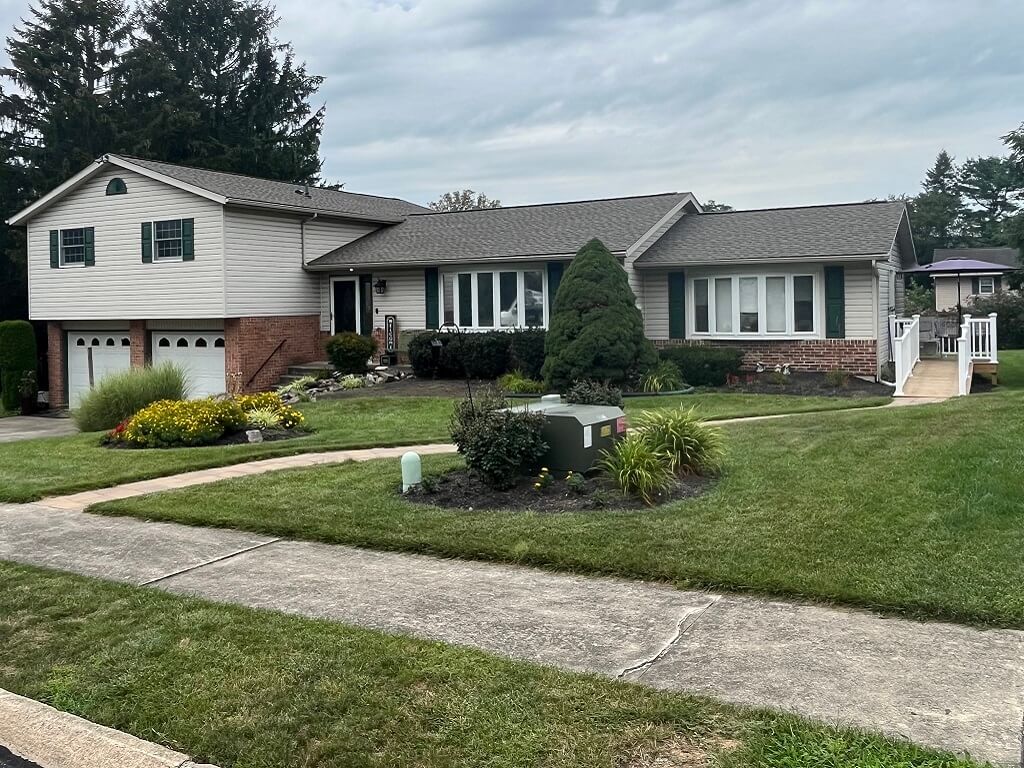
Each siding type brings its own set of advantages for both protection and style. Whether you prioritize low maintenance, natural beauty, extreme durability, or a modern look, an option exists to fit your needs.
Investing in quality siding and expert installation means you are building a lasting defense for your property.
Leave A Comment